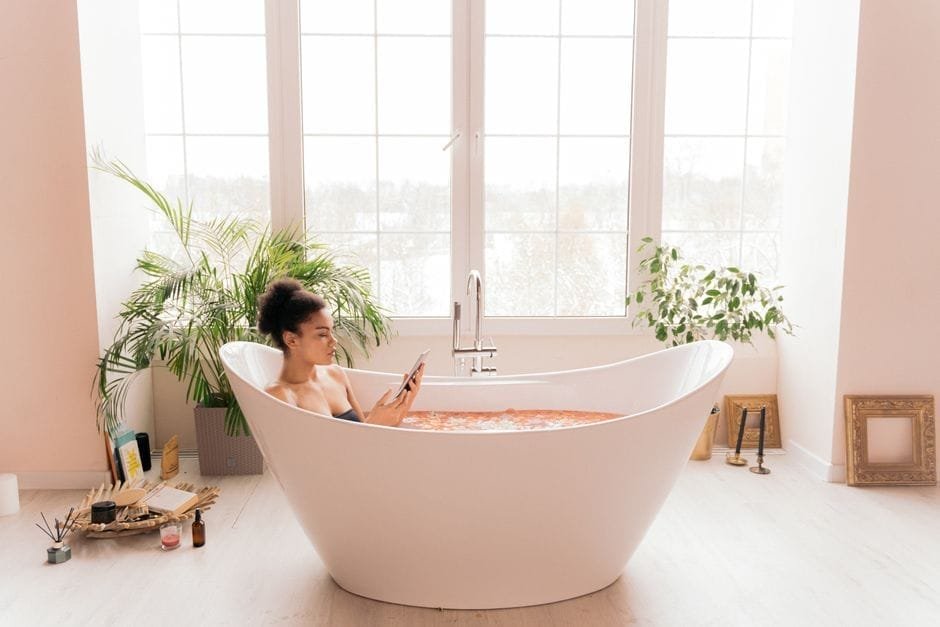
“Self-care” gets used for two very different things: actual recovery, and a nicer-looking way to avoid a problem. A bath and a candle can be real rest. They can also be a way of postponing a hard conversation, a budget you need to make, or a boundary you need to set. Both feel the same in the moment. Only one actually fixes anything.
The test: does it remove a stressor, or just numb it?
Real self-care changes something about tomorrow. Sleeping enough tonight means you function better tomorrow. Saying no to one more commitment means next week has room in it. Numbing self-care changes nothing about tomorrow – it just makes tonight feel better while the underlying stressor sits there untouched, waiting for you again in the morning.
Neither is wrong. A little numbing is fine sometimes – everyone needs an evening that’s just for feeling okay, not for fixing anything. The problem is when numbing becomes the only tool in the kit, and the actual stressor never gets addressed because something that looks like self-care keeps taking its place.
Tactical self-care, not indulgent self-care
The more useful version of self-care looks less like a spa day and more like maintenance: the sleep schedule that keeps your mood stable, the workout that keeps your body capable of the things you actually want to do, the boundary that keeps one relationship from draining every other part of your week. It’s less photogenic. It’s also the version that compounds.
Next time “I need some self-care” comes up, ask what it’s actually for. If the honest answer is “to avoid dealing with X,” that’s useful information – not a reason to skip the bath, but a signal that X still needs your attention afterward.

Kurt Greiner
Kurt is a digital strategist and IT professional blending emerging technology with practical application to help businesses and individuals streamline their digital presence. His current work focuses on the intersection of intentional living and technological resilience, exploring how individuals can leverage modern tools to navigate the second half of life with purpose.
Leave a Reply