
About 37% of adults in a huge English study had high blood pressure, and nearly 59% of them did not know it. The analysis used baseline measurements from 1.4 million adults in the Our Future Health study, collected from 2022 to 2025.[1] High blood pressure rarely causes symptoms, so a number on a cuff is the only reliable way to find out.
What the study found
Researchers defined hypertension as a systolic reading of 140 mm Hg or higher, a diastolic reading of 90 or higher, or use of blood pressure medication. By that definition, 37.2% of participants had it. Age-standardized prevalence was higher in men (41.9%) than in women (28.6%), and it climbed with age. It rose from 23% in men aged 18 to 39 to 73% at 80 and older, and from 10% to 69% in women over the same ages.[1]
Detection was the weak point. Of people with hypertension, 58.8% were undetected, meaning no prior diagnosis and no blood pressure medication. Among those who were treated, 50.2% still had blood pressure above target.[1] The authors conclude that only about half of affected adults were detected and half of those treated reached control.[1]
Two limits are worth keeping in mind. This was a one-time, cross-sectional snapshot of adults in England, so it shows how common the problem is, not what causes it. And the figures describe a population, not your own risk.
How to check your own numbers
These steps come from physicians quoted in a recent Prevention report on the study.
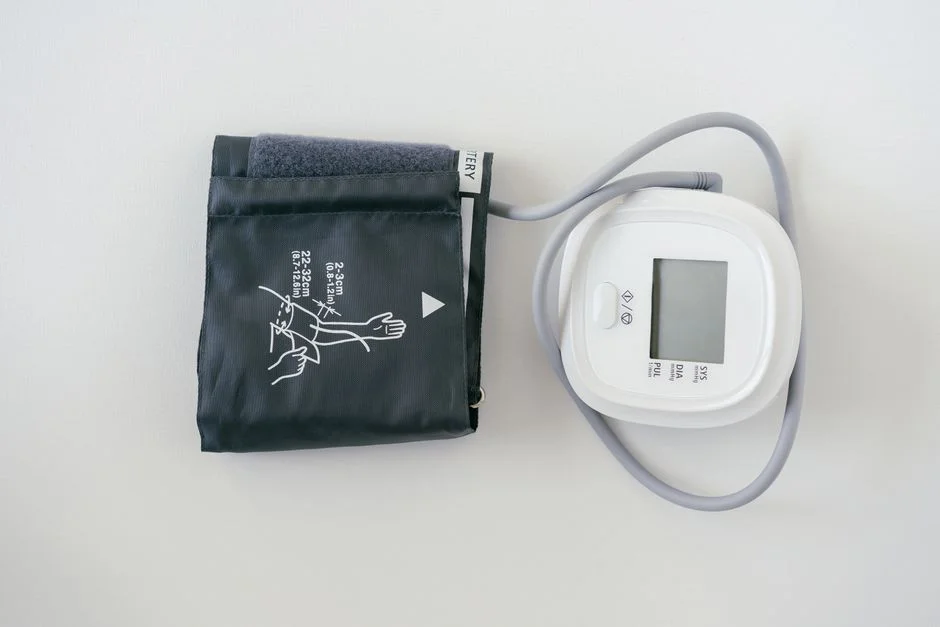
- Use a validated monitor. Look up your model at validatebp.org and pick the right cuff size for your arm.
- Prepare the right way. Empty your bladder, sit upright with your back supported and feet flat, rest your bare arm on a table at heart level, and stay quiet for five minutes first.
- Measure for a week. Take two readings a minute apart, morning and evening, and write them down.
- Bring the log and the cuff to your next visit. One reading in a doctor’s office can mislead in either direction, so a week of home readings gives your clinician a clearer picture.
A reading above 180/120, especially with a severe headache, chest pain, shortness of breath, vision changes or confusion, needs emergency care. Call 911 rather than waiting.
Where this fits in your longer-term plan
A blood pressure number belongs next to your other markers. Our post on SPRINT MIND covers why blood pressure targets matter for the brain, and 5 Ways Sleep Affects Your Heart Health covers one lifestyle lever. If you take medication and your numbers are still high, tell your clinician. Do not stop or adjust a medication on your own.
References
[1] Liu W, Collister J, Littlejohns T, Turnbull I, Clarke R, Hunter D, et al. Hypertension prevalence, detection, treatment and control among 1.4 million adults in England: a cross-sectional analysis from the Our Future Health study in 2022-2025. BMJ Public Health, 2026;4(3):e004815. Population: 1.4 million adults aged 18 and older with clinic blood pressure measurements at over 200 enrolment centres in England. DOI: https://doi.org/10.1136/bmjph-2025-004815. Finding as used: 37.2% of participants had hypertension (41.9% of men, 28.6% of women, age-standardized); 58.8% of those with hypertension were undetected; 50.2% of treated individuals did not achieve blood pressure control. ↑︎

Kurt Greiner
Kurt is a digital strategist and IT professional blending emerging technology with practical application to help businesses and individuals streamline their digital presence. His current work focuses on the intersection of intentional living and technological resilience, exploring how individuals can leverage modern tools to navigate the second half of life with purpose.
Leave a Reply