
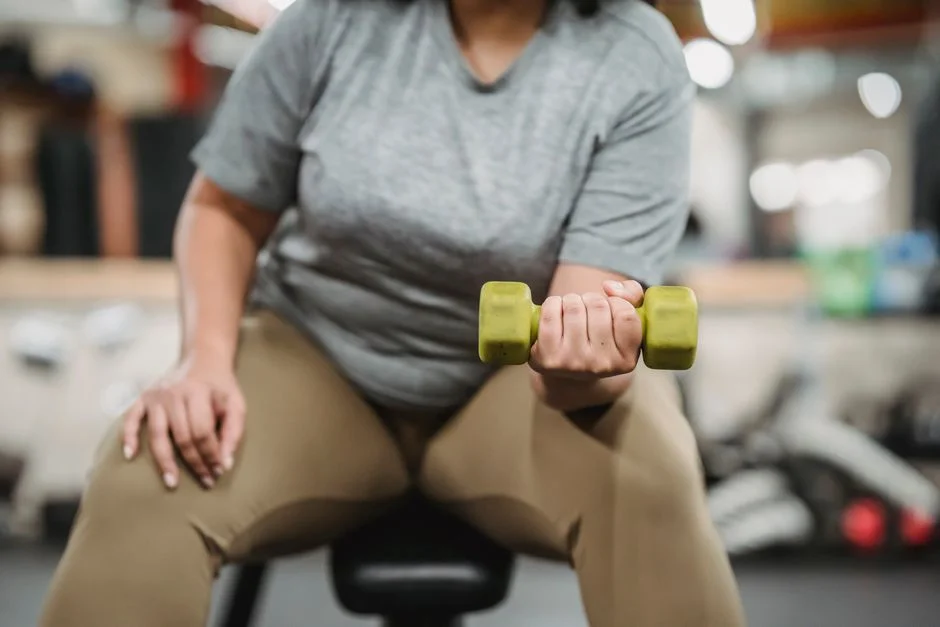
If you’re taking a GLP-1 medication, the scale isn’t the only number that moves. Some of the weight that comes off is lean mass. What you eat and how you train are the parts you can influence, so that’s what this post covers. Whether to start, change, or stop the medication is a conversation for you and your prescriber.
What the trials show about lean mass
A 2025 meta-analysis pooled 22 randomized trials with 2,258 adults who had diabetes, overweight, or obesity. Compared with placebo or other treatments, GLP-1 receptor agonists reduced total body weight by an average of 3.55 kg, fat mass by 2.95 kg, and lean mass by 0.86 kg. Lean mass made up roughly a quarter of the total weight lost, and lean mass as a percentage of baseline was not significantly changed.[1]
The same analysis found differences between drugs. Tirzepatide and semaglutide produced the most weight and fat loss, but they were among the least effective at preserving lean mass. Liraglutide was the only agent with significant weight loss without a significant reduction in lean mass. Lean mass isn’t the same thing as muscle, since it also includes water and organ tissue. Still, it’s the closest measure these trials report.
Why care at 40 and beyond? At Bettering Me we think of muscle as your retirement plan. Losing weight while quietly spending it down is a trade worth managing.
What the clinical guidance says to do
A 2025 joint advisory from four U.S. obesity and nutrition organizations, written for practicing clinicians, makes protein and resistance training central. It points out that the standard recommended dietary allowance for adults is 0.8 grams of protein per kilogram of body weight per day. It then notes that higher targets, such as 1.2 to 1.6 grams per kilogram per day, have been proposed during active weight reduction. As a practical alternative, it suggests an absolute target of 80 to 120 grams a day. It also states that increased protein intake alone is likely inadequate to preserve muscle mass without structured resistance training, and it recommends strength training at least three days a week plus at least 150 minutes a week of moderate aerobic activity. More is not better without limit: the advisory says prolonged intake at or above about 2 grams per kilogram per day should be avoided because of potential adverse health effects, and people with kidney disease, which is common alongside diabetes, need individual advice from their clinician before raising protein. The reason it gives for caring: low muscle and bone mass is linked with physical impairment, falls, fractures, and reduced quality of life.[2]
A 2026 consensus statement from European obesity, dietetic, and psychology groups points the same direction. It discusses adequate protein intake and progressive resistance exercise as approaches that could help preserve fat-free mass and physical function during weight loss, and it emphasizes shared decision-making with your care team.[3]
Here’s the honest part. These are expert consensus recommendations, not trial proof that a specific number of grams prevents muscle loss. The advisory itself says there is no agreement on whether to base the target on actual body weight, adjusted weight, or fat-free mass. That’s why your number should come from your clinician or a registered dietitian, not from a blog post.
Making protein work when your appetite is low
These medications cut appetite and energy intake, and that can make hitting a protein target hard. The advisory offers a few practical moves.
- Eat the protein food first at each meal, before the sides, so it gets finished while you’re still hungry enough.
- Choose compact, nutrient-dense options: fish, eggs, Greek yogurt, cottage cheese, and nuts or nut butters.
- Mix in plant sources such as beans, peas, and lentils, along with dairy, seafood, and lean poultry. The advisory suggests keeping red and processed meat to a minimum.
- Ask your clinician about a protein supplement if food alone falls short.
A short list for your next appointment
- Pick a resistance training routine you’ll keep doing, and ask your clinician how to build up to strength training at least three days a week, as the advisory recommends. Progressive means the load creeps up over time, so log your lifts.
- Ask what daily protein target fits you and how it should be calculated.
- Ask about a baseline check of muscle strength, function, and body composition. The advisory recommends including these in the initial exam.
- Ask whether a registered dietitian can see you while you’re on treatment.
Track two things for a few weeks: your average daily protein and how your strength feels in the gym or when you carry groceries. If protein is low or strength is dropping while the scale falls, you have something specific to bring to your care team.
References
[1] Karakasis P, Patoulias D, Fragakis N, et al. Effect of glucagon-like peptide-1 receptor agonists and co-agonists on body composition: systematic review and network meta-analysis. Metabolism. 2025;164:156113. DOI: 10.1016/j.metabol.2024.156113. Finding as used: 22 randomized trials, 2,258 adults with diabetes and/or overweight/obesity; GLP-1RAs reduced body weight (MD -3.55 kg), fat mass (MD -2.95 kg) and lean mass (MD -0.86 kg), lean mass loss about 25% of total weight lost, relative lean mass unaffected; tirzepatide and semaglutide among the least effective for preserving lean mass. ↑︎
[2] Mozaffarian D, Agarwal M, Aggarwal M, et al. Nutritional priorities to support GLP-1 therapy for obesity: a joint Advisory from the American College of Lifestyle Medicine, the American Society for Nutrition, the Obesity Medicine Association, and The Obesity Society. Obesity. 2025;33:1475-1503. DOI: 10.1002/oby.24336. Finding as used: protein RDA 0.8 g/kg/day; higher targets of 1.2-1.6 g/kg/day proposed during active weight reduction; alternative absolute target of 80-120 g/day; no consensus on actual versus adjusted weight versus fat-free mass as the basis; protein foods first and compact protein sources; baseline exam including muscle strength, function and body composition; low muscle and bone mass linked with impairment, falls, fractures and reduced quality of life; protein alone likely inadequate without structured resistance training (strength training at least 3 days a week plus at least 150 minutes a week of aerobic activity); prolonged intake at or above about 2 g/kg/day should be avoided. Expert consensus advisory, not a trial. ↑︎
[3] Dobbie L, Tolvanen L, Alves D, et al. Nutritional, functional, and psychological considerations for incretin-based therapies in adults: an EASO, EFAD, and ECPO consensus statement. The Lancet Diabetes & Endocrinology. 2026;14:754-777. DOI: 10.1016/S2213-8587(26)00122-1. Finding as used (per the published abstract, PMID 42419343): the statement discusses pragmatic approaches that could help support preservation of fat-free mass and physical function during weight loss, including adequate protein intake and progressive resistance exercise, and emphasizes shared decision making with the patient. Expert consensus statement, not a trial. ↑︎

Kurt Greiner
Kurt is a digital strategist and IT professional blending emerging technology with practical application to help businesses and individuals streamline their digital presence. His current work focuses on the intersection of intentional living and technological resilience, exploring how individuals can leverage modern tools to navigate the second half of life with purpose.
Leave a Reply