“More exercise is better” is about as close to a universal rule as fitness advice gets. A new study out of Taiwan complicates that a little, at least for one specific group: women with a particular version of a muscle-related gene.[1]
The gene in question is ACTN3, which codes for a protein involved in fast-twitch muscle fiber function. About one in five people worldwide carry two copies of a variant (called R577X, “XX” genotype) that means they produce none of this protein at all, sometimes nicknamed the “non-athlete gene” in earlier research, though that label oversimplifies things. Researchers followed 682 community-dwelling adults aged 65 and older, measuring muscle mass by DXA scan and physical performance through grip strength, walking speed, and chair-stand tests, then compared results against how much physical activity each person reported.
A U-shaped surprise
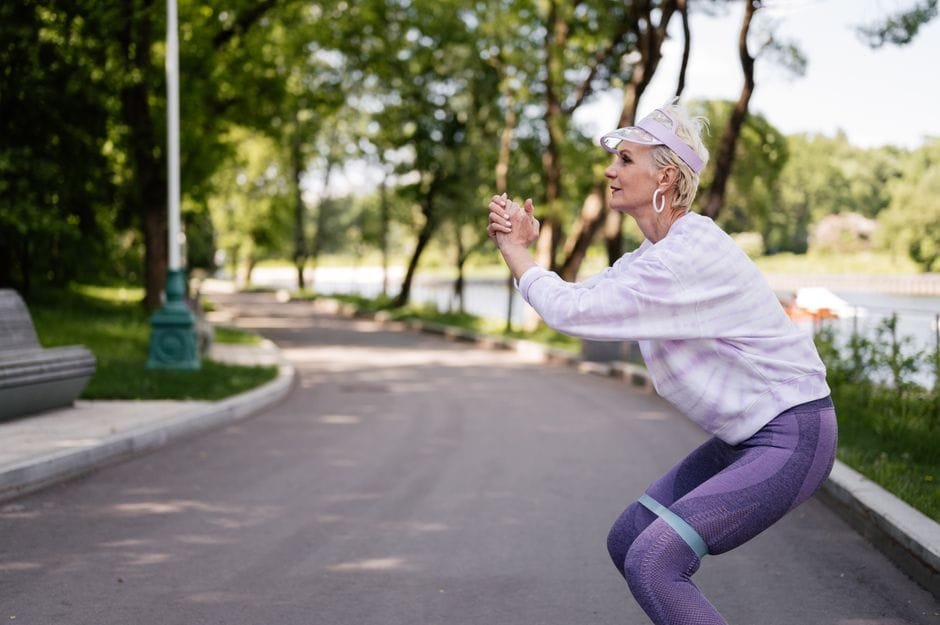
Overall, the ACTN3 genotype wasn’t linked to sarcopenia risk in general. But when researchers looked specifically at women with the XX genotype, they found something unexpected: those doing more than about 441 MET-minutes of activity per week (roughly equivalent to a little over an hour of moderate exercise most days) actually performed worse on the chair-stand test, a measure of leg strength and fall risk, than women doing less. In other words, more activity didn’t keep helping past a certain point for this specific group; it seemed to work against them.
The researchers are careful to flag this as an exploratory finding based on one MET-minute threshold in one study population, not an established clinical guideline, and it needs to be replicated in other groups before anyone changes their exercise routine based on it. Very few people know their own ACTN3 genotype anyway. What this research really underscores is something worth remembering regardless of your genetics: more exercise isn’t automatically better for muscle function in every single body, and if a workout routine leaves you feeling weaker or more fatigued rather than stronger over time, that’s worth mentioning to a doctor or physical therapist rather than pushing through.
References
- Hsu HC, Fang WH, Lee MC, et al. “Sex-specific physical activity thresholds influencing muscle function in older adults with XX genotype of ACTN3 R577X.” Scientific Reports, 2026. DOI: 10.1038/s41598-026-57340-5. Finding used: in 682 adults 65+, ACTN3 R577X genotype was not generally linked to sarcopenia, but women with the XX genotype doing more than 441 MET-min/week of physical activity showed significantly poorer chair-stand performance (β: 4.19, 95% CI 0.98-7.40), a U-shaped relationship the authors describe as exploratory and requiring external validation. ↑︎

Kurt Greiner
Kurt is a digital strategist and IT professional blending emerging technology with practical application to help businesses and individuals streamline their digital presence. His current work focuses on the intersection of intentional living and technological resilience, exploring how individuals can leverage modern tools to navigate the second half of life with purpose.
Leave a Reply
You must be logged in to post a comment.