
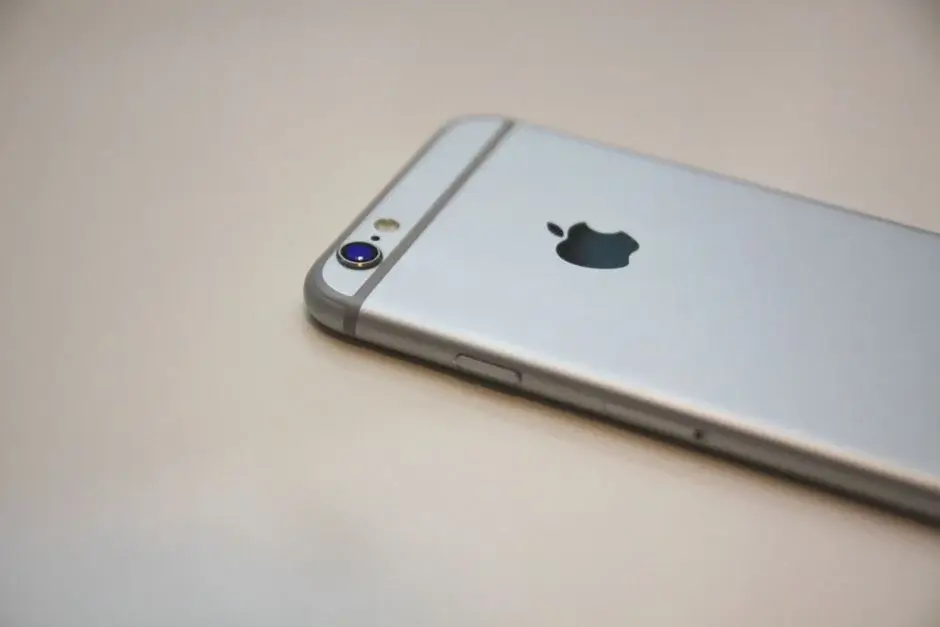
Every Friday night, Siddharth Bhimani powered off his iPhone and switched to a Nokia flip phone until Sunday. No apps, no social media, no navigation – just calls and texts. What he found: “Less anxiety. My mind felt calmer.” More time for books and for playing with his daughter.[1]
It also surfaced something most people don’t expect: how much daily life now runs through that device.
What goes right
The benefits Bhimani described resemble those reported in one qualitative study, in which 55 adults who took a voluntary 24-hour internet break reported better family relationships, good sleep for some (and disrupted sleep for others), and increased engagement in activities they’d been sidelining – reading, exercising, conversations that didn’t compete with a screen.[2]
That’s not surprising. What is worth noting is that participants described a sense of calmness within a single day. The study has limits: the participants were self-selected volunteers from Kerala, the data came from interviews only, and there was no comparison group.
What goes wrong
Bhimani’s weekend experiment also hit real friction: contact transfer to the flip phone failed, leaving him with gaps in his address book. Navigation, food delivery, and digital payments were gone. He borrowed his wife’s phone to settle a hotel bill.
The same research surfaced something more telling: withdrawal symptoms. Participants described anxiety, restlessness, and in some cases physical tremors and headaches in the first hours without their devices. One noted “frequent urges to grab my phone” even when they’d chosen to participate. These were self-reports from a small qualitative sample, so they show what some people experienced, not how common it is.
How to do this without losing your logistics
A weekly detox works better with infrastructure in place before you start:
- Download your key contacts to paper or a backup device first. Bhimani’s contact transfer failure is a common first-attempt problem.
- Pre-load cash for the day. A $40 bill handles most logistical gaps that digital payments usually cover.
- Print or screenshot any navigation you’ll need. Offline maps on a secondary device work too.
- Tell one person how to reach you for genuine emergencies. A landline, a partner’s phone, or a predetermined check-in time removes the need for constant availability.
- Start with a half-day before committing to a full 24 hours. The first session reveals which gaps you actually need to solve.
In our view, a weekly version may be easier to sustain than a long detox because it builds a skill: learning which of your phone habits are load-bearing and which are just automatic.
References
[1] “Viral Post: No Phone, No Scrolling: Man’s Weekend Digital Detox Sparks Conversation Online,” Asianet Newsable, 2026. newsable.asianetnews.com. Quotes and story details from Siddharth Bhimani’s weekend detox experiment as reported. ↑︎
[2] Sayyidath BBO, Menon SB. Unplugged for a day: a 24-hour digital detox journey. Ind Psychiatry J. 2025;34(2):242-247. DOI: 10.4103/ipj.ipj_477_24. PMC12373339. Qualitative study of 55 adults; findings include better family relationships, good sleep for some participants (disrupted sleep for others), and more engagement in offline activities following a voluntary 24-hour device-free period. ↑︎

Kurt Greiner
Kurt is a digital strategist and IT professional blending emerging technology with practical application to help businesses and individuals streamline their digital presence. His current work focuses on the intersection of intentional living and technological resilience, exploring how individuals can leverage modern tools to navigate the second half of life with purpose.
Leave a Reply