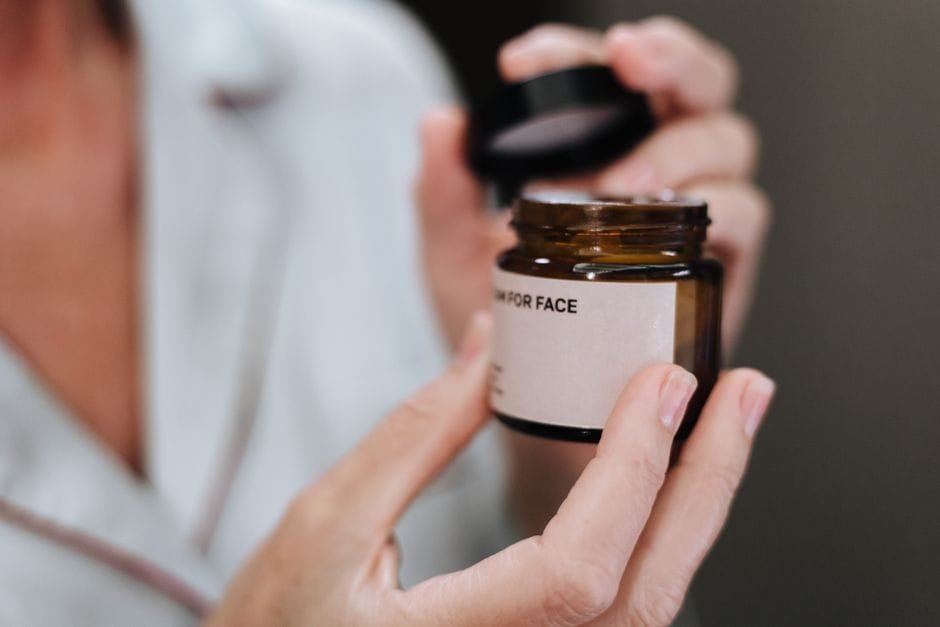
Beef tallow — rendered fat from cooking down the tissue around a cow’s organs — has become one of skincare’s most divisive TikTok trends, with creators crediting it for clearer skin, less inflammation, and a brighter complexion. One writer at Prevention put it on her face for a week to see what actually happened, and dermatologists weighed in on whether the hype holds up.[1]
What beef tallow actually is
“Beef tallow is a fat produced from cooking down, or rendering, the fat that surrounds the organs of a cow,” explains Corey L. Hartman, M.D., a board-certified dermatologist and founder of Skin Wellness Dermatology in Birmingham, Alabama. It’s rich in fatty acids and highly occlusive, meaning it forms a barrier on the skin that locks in moisture — similar in function to petroleum jelly or thick plant-based balms.
What one week of daily use looked like
Using a two-ingredient product (100% grass-fed beef tallow and jojoba oil) morning and night in place of a normal routine, the tester noted the product was odorless — a relief, given the ingredient list — but had a distinctly greasy texture that took getting used to. It worked as an occlusive moisturizer: skin felt hydrated, though it took several days before any change in texture or clarity was noticeable.
What dermatologists say about the benefits
The occlusive, moisturizing effect is real — beef tallow does what any rich emollient does. But the bigger claims circulating online (clearing acne, evening out discoloration, reversing signs of aging) don’t have solid research behind them. “Like the craze of using plain coconut oil for skincare in the late 2010s, this is a hype that will pass as the benefits touted — anti-aging, acne-clearing, skin brightening, etc. — aren’t backed with clear evidence,” says Omer Ibrahim, M.D., a board-certified dermatologist at Chicago Cosmetic Surgery and Dermatology. “While beef tallow is rich in fatty acids, is very occlusive, and offers emollient benefits, there are better-studied plant-based fats with fewer variables in terms of quality and safety.”
The catch with DIY versions
The fatty acid composition of beef tallow varies depending on the animal’s breed, age, diet, and how the fat was rendered and stored. Improperly sourced or stored tallow — especially homemade batches — can grow bacteria or go rancid, since it’s an animal byproduct without the shelf-stability testing a commercial product undergoes. Dermatologists advise against making your own.
The bottom line
Beef tallow works as a heavy-duty moisturizer for very dry skin, the same way any occlusive balm does. If your skin is acne-prone or oily, the thick, greasy texture may not be a fit, and the miracle claims — acne clearance, brightening, anti-aging — aren’t supported by clinical evidence yet. If you’re curious, a commercially made product from a reputable brand is the safer route over a DIY batch.
References
[1] “What Happened When I Slathered Beef Tallow on My Skin for 7 Days,” Prevention, 2026. First-person seven-day test plus commentary from board-certified dermatologists Corey L. Hartman, M.D., and Omer Ibrahim, M.D., on the evidence (or lack of it) behind beef tallow’s skincare claims. Read the source article. ↑︎

Kurt Greiner
Kurt is a digital strategist and IT professional blending emerging technology with practical application to help businesses and individuals streamline their digital presence. His current work focuses on the intersection of intentional living and technological resilience, exploring how individuals can leverage modern tools to navigate the second half of life with purpose.
Leave a Reply
You must be logged in to post a comment.