
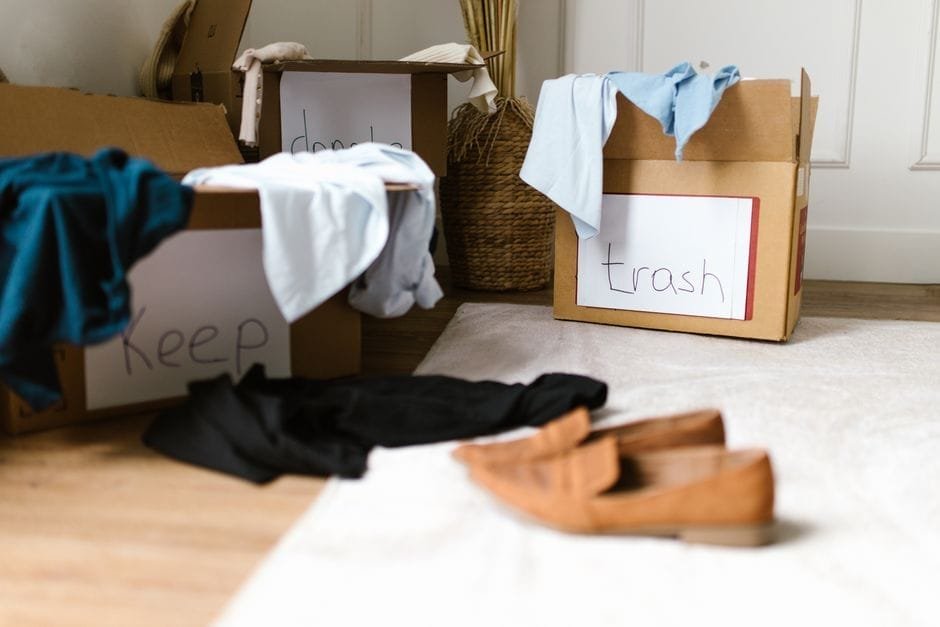
Home organization keeps circling back to the same core insight, just with new names attached each year: clutter isn’t really a storage problem, it’s a decision-making problem. The specific method matters less than whether it forces you to actually decide what to keep.
Small, repeatable sessions beat big purges
A simpler approach than the once-a-year purge is short, frequent sessions, say 15 to 20 minutes a few times a week, targeting one drawer or shelf instead of an entire room. Big purges are exhausting and easy to avoid starting. Small sessions are easy to actually do, which is the entire advantage.
One-in-one-out as a maintenance rule
Rather than treating decluttering as a one-time event, a simple rule – something new comes in, something old goes out – keeps clutter from re-accumulating between sessions. It’s less about a dramatic before-and-after and more about holding steady at “organized” once you get there.
Function over aesthetics
A lot of organizing content still centers on how a shelf or pantry looks in a photo. The more durable version asks a plainer question: can you find what you need in under 30 seconds, and does everything have an obvious place to go back to? A system that photographs well but that you can’t maintain isn’t actually organized – it’s staged.
If you’ve tried and abandoned a big decluttering project before, the small-session, one-in-one-out approach is worth trying instead – it asks less of you per session, which is usually the actual reason the big version didn’t stick.

Kurt Greiner
Kurt is a digital strategist and IT professional blending emerging technology with practical application to help businesses and individuals streamline their digital presence. His current work focuses on the intersection of intentional living and technological resilience, exploring how individuals can leverage modern tools to navigate the second half of life with purpose.
Leave a Reply