
Photo by Radik 2707 on Pexels Dementia can feel like something that either happens to you or doesn’t — genetics, bad luck, nothing to do about it. The research doesn’t back that up. A major 2024 analysis puts a real number on how much of your risk is actually in your hands. Read more…

Photo by cottonbro studio on Pexels How to Actually Talk to Your Doctor About Severe Menopause Symptoms
Plenty of women walk out of a menopause-related appointment feeling like they didn’t get anywhere — not because the doctor didn’t care, but because a 15-minute visit isn’t built to absorb a vague “I’ve just been feeling off.” A little preparation changes that conversation completely. Read more…
Photo by cottonbro studio on Pexels What Doctors Wish More Women Knew About Severe Menopause Hot Flashes
A lot of women live with severe hot flashes for years before ever bringing them up at a doctor’s appointment — partly because they assume it’s just something to endure, partly because they don’t realize how much can actually be done. Doctors who treat menopause regularly say the same handful of misconceptions keep coming up. Read more…

Photo by Kindel Media on Pexels When Lifestyle Changes Aren’t Cutting It: What Treatment Actually Looks Like for Severe Hot Flashes
Layering up, keeping a fan nearby, and cutting back on wine only goes so far when hot flashes are frequent, drenching, and disrupting sleep every night. For a meaningful share of women, the standard lifestyle advice simply isn’t enough — and it’s not a personal failure when it isn’t. Read more…
Oatmeal has a wholesome, health-halo reputation that’s mostly earned — but “good for weight loss” is doing a lot of work in that sentence. The honest answer has more nuance than either the fans or the skeptics usually give it. Read more…
Photo by Mikhail Nilov on Pexels 8 Skin Changes Dermatologists Say Are Worth Mentioning to Your Doctor
Skin is often the first place metabolic changes show up — sometimes months before a blood test would catch anything. None of these changes mean you have diabetes on their own, but dermatologists say they’re common enough in people with blood sugar issues that they’re worth a mention at your next checkup. Read more…

Photo by Stanislav Kondratiev on Pexels I Tried the Vionic 23Walk 2.0 Sneakers — Here’s Where the Orthotic Support Actually Shows Up
Most “orthotic” sneakers either feel like you’re standing on a rock or barely different from a regular trainer. The Vionic 23Walk 2.0 sits in an unusual middle spot — and it took a few walks to figure out why it works. Read more…
Photo by pedro furtado on Pexels Hoka Clifton vs. Brooks Ghost: Which Shoe Actually Fits Your Walk (or Run)?
The Hoka Clifton and Brooks Ghost show up on nearly every “best shoe” list for a reason — both are genuinely well-built neutral trainers. But they solve slightly different problems, and picking based on brand reputation alone is how people end up with the wrong shoe. Read more…
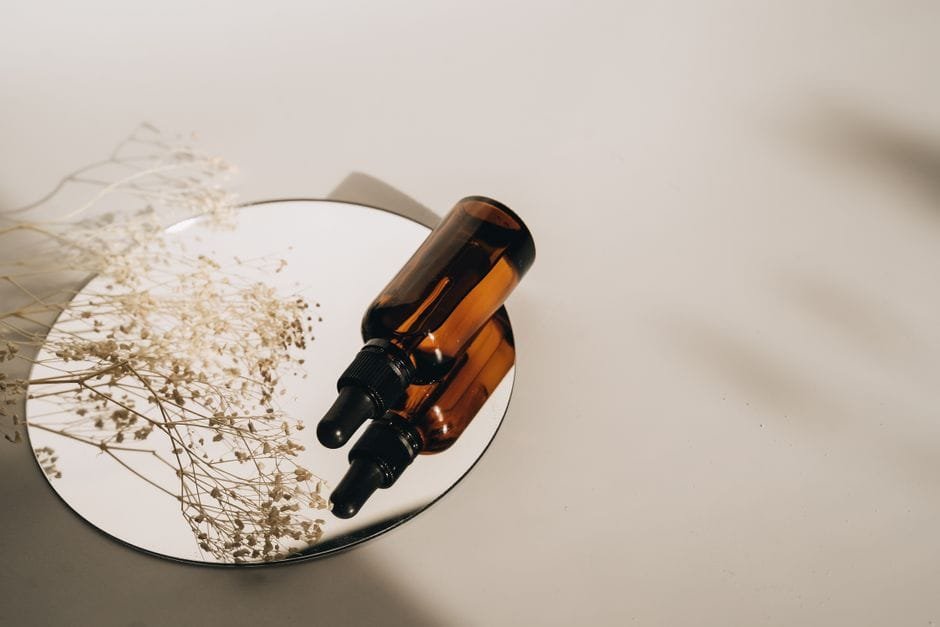
Photo by Alesia Kozik on Pexels Castor Oil for Hair and Skin: What’s Actually Backed Up, and What’s Just TikTok
Castor oil has had a real viral moment — thick, glossy hair and clear skin, all from a bottle that’s been sitting in the laxative aisle for a century. The dermatologist take is a lot more measured than the trend suggests. Read more…
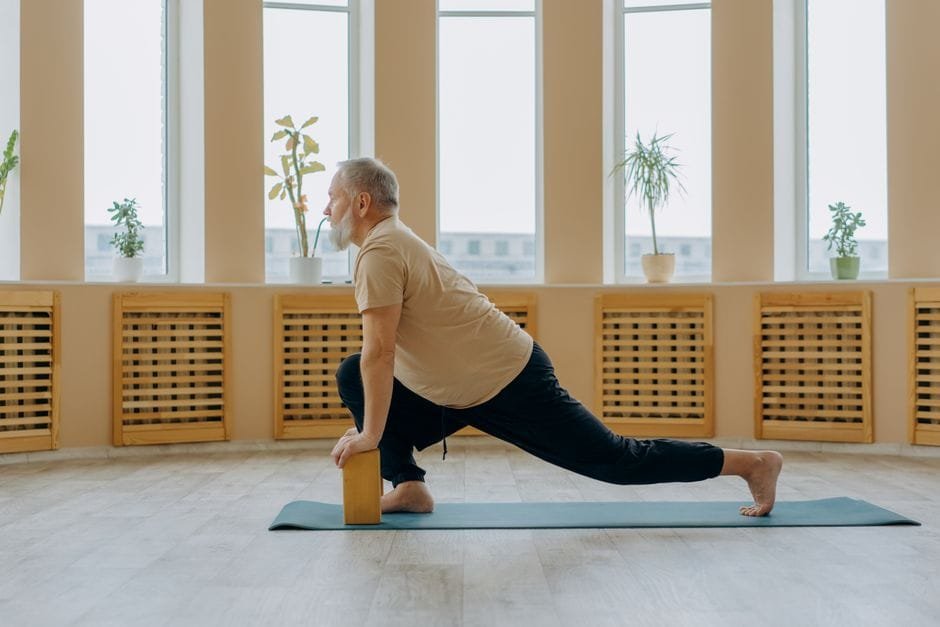
The psoas is one of the most talked-about and least understood muscles in fitness circles — a deep hip flexor that connects your spine to your femur, running right through your core. When it’s chronically shortened from sitting, it can pull on your lower back and throw off your whole standing posture. Read more…
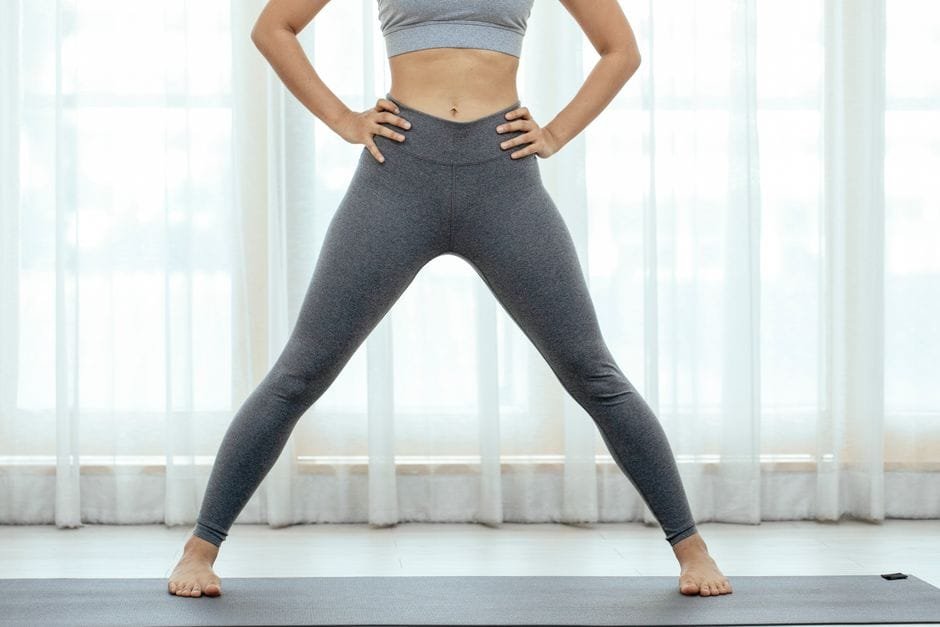
Photo by Miriam Alonso on Pexels Build a Stronger Core With This Standing Ab Routine You Can Do Anywhere
Floor-based ab work isn’t the only way to build a strong core — and for a lot of people, it isn’t even the most useful way. A standing routine trains your core the way you actually use it: upright, resisting rotation, stabilizing while you move. Read more…
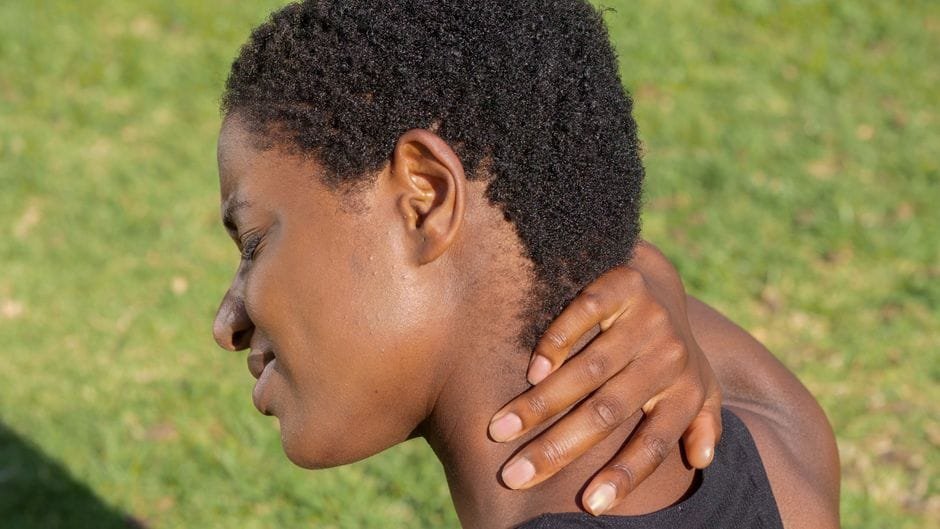
Scalp pain is one of those symptoms that’s easy to dismiss until it’s happening every day — a tender spot when you brush your hair, a tightness that won’t quit, or a burning sensation that makes wearing a ponytail unbearable. It’s more common than people realize, and it usually has an identifiable cause. Read more…
Photo by 🇻🇳🇻🇳Nguyễn Tiến Thịnh 🇻🇳🇻🇳 on Pexels What Health Experts Keep Coming Back to When Asked About Aging Well
Ask a room full of geriatricians, trainers, dietitians, and sleep researchers what actually matters for aging well, and you’d expect wildly different answers. In practice, the overlap is bigger than the disagreement — a handful of themes keep coming back regardless of who’s asked. Read more…
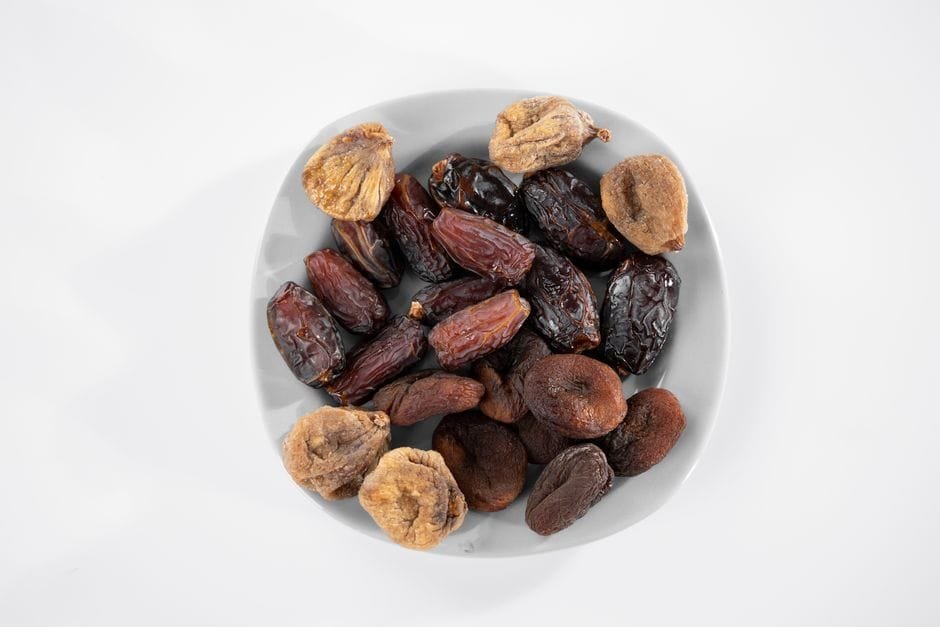
Photo by Engin Akyurt on Pexels Figs vs. Dates: Which One Actually Deserves a Spot in Your Snack Drawer?
Figs and dates get lumped together as “the chewy dried fruits” — both sweet, both fiber-rich, both easy to overeat straight from the bag. But they’re not nutritionally interchangeable, and which one makes more sense depends on what you’re actually trying to get out of your snack. Read more…
Photo by Letícia Alvares on Pexels The Best Mattresses Worth Considering, Based on What Actually Matters When You Shop
Mattress shopping is one of those purchases where the marketing noise (“cooling gel infused memory foam!”) drowns out the two or three things that actually determine whether you’ll sleep well on it. Here’s how to cut through it. Read more…
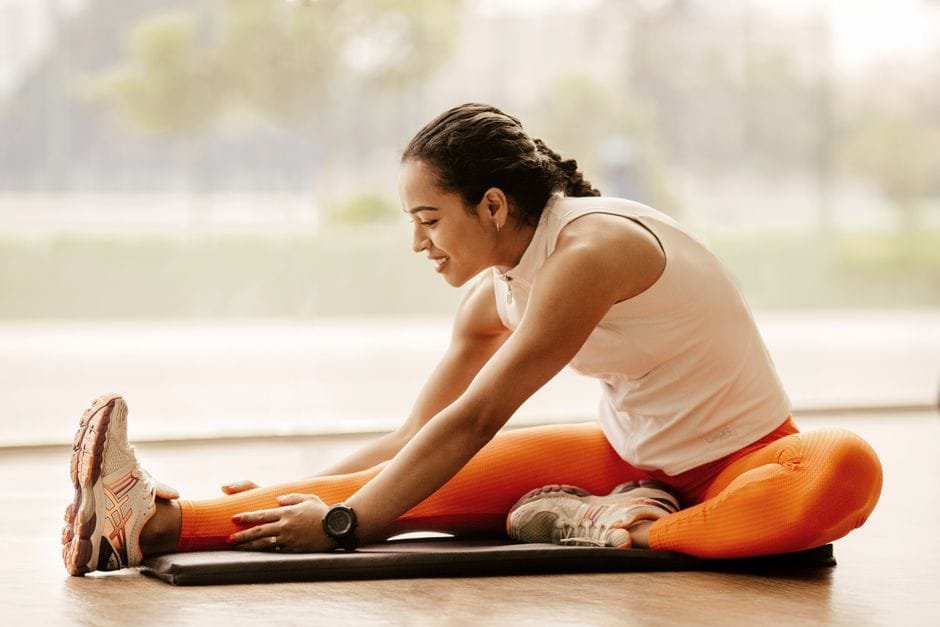
Tight hamstrings have a way of making everything downstream feel worse — your lower back, your gait, even how deep you can squat. The fix is rarely one dramatic stretch; it’s a small rotation of moves done consistently. Read more…
Photo by https://kaboompics.com/ on Pexels Why Your Mood Can Nosedive the Week Before Your Period — and It’s Not “Just Hormones”
“It’s just hormones” gets said about premenstrual mood dips like it explains anything, when really it just names a symptom and calls it a day. Newer research on brain chemistry is filling in the actual mechanism — and it’s more interesting than a shrug. Read more…
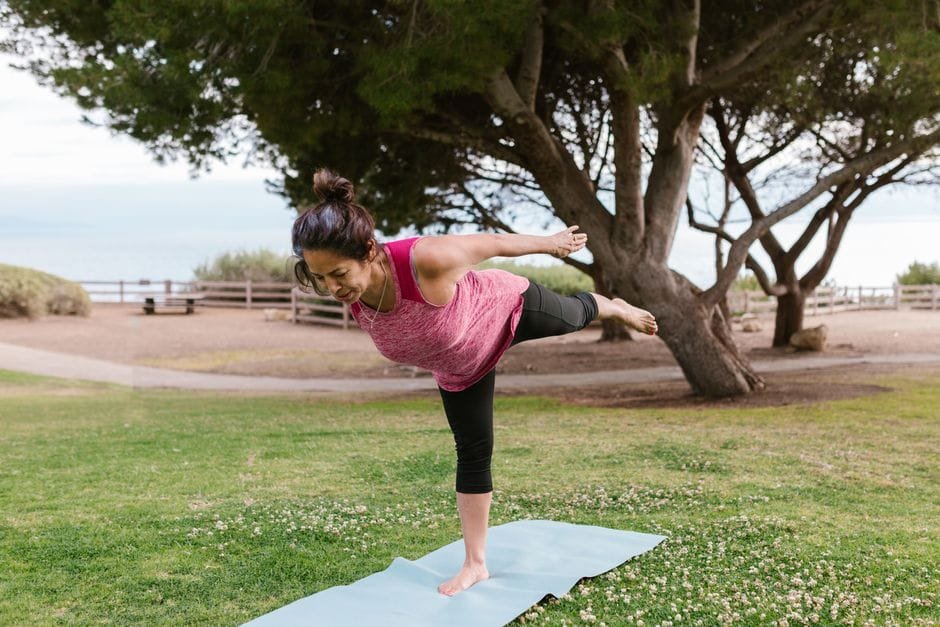
Balance is one of those things nobody notices until it starts slipping — and by the time you notice, it’s usually because you stumbled over something that shouldn’t have been a big deal. The good news: it responds fast to simple, boring practice. Read more…
Photo by Tima Miroshnichenko on Pexels What Are ’11 Lines,’ and Is There Actually Anything You Can Do About Them?
If you’ve ever caught your reflection mid-frown and noticed two vertical grooves sitting right between your eyebrows, you’ve met your “11 lines” — named, unimaginatively but accurately, for looking like the number 11. Read more…
Photo by Vitaly Gariev on Pexels Night Owls, Take Note: Your Late Bedtime Might Be Costing You More Than Sleep
If you do your best thinking after 10pm and dread the 8am stand-up, you already know the world isn’t built for you. New research suggests it might be costing you more than a rough morning — it’s showing up in your mental health. Read more…
Photo via Pexels (stock, CC0-style license) Why Doctors Are Rethinking How They Assess Weight in Aging HIV Patients
A new review argues that body weight alone misses the real story for aging people with HIV, who face a distinct pattern of muscle loss hidden inside weight gain. Read more…