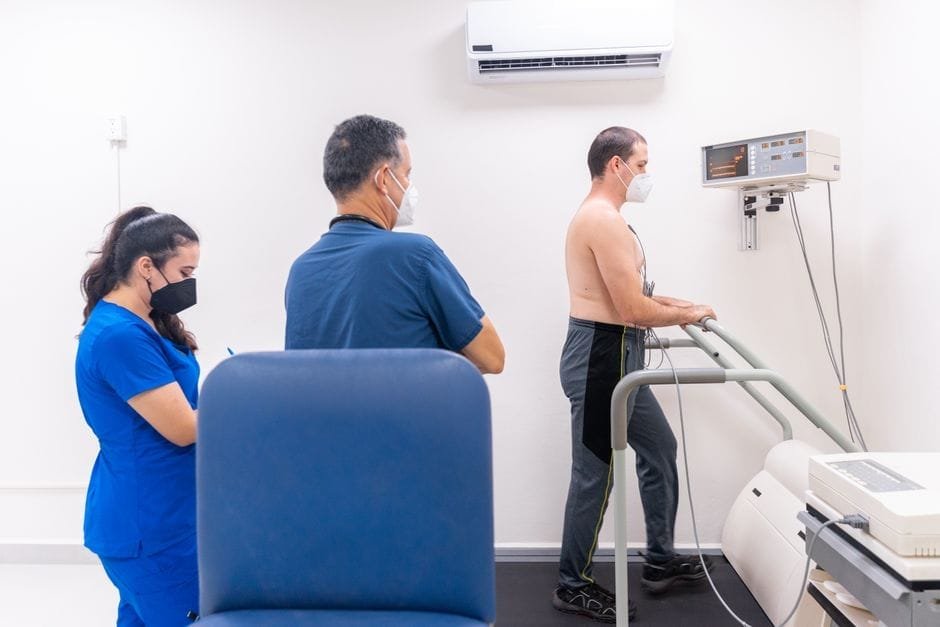
Heart disease, memory decline, and frailty tend to get treated as three separate problems by three separate specialists. A major new statement from the American College of Cardiology argues for a different approach — in older adults, the three often share underlying aging processes, and the panel recommends assessing and managing them together, while noting the evidence for this approach is limited.[1]
What the statement actually says
The American College of Cardiology (ACC) periodically issues “scientific statements” — consensus documents where a panel of specialists reviews the existing evidence on a topic and tells practicing doctors how to act on it. This one, published in the Journal of the American College of Cardiology, tackles a pattern clinicians see constantly but rarely address head-on: cardiovascular disease (CVD) in older adults almost never shows up alone.
Cognitive impairment, frailty, and physical disability travel with it. The panel frames them as manifestations of shared biological aging processes, among them vascular dysfunction (blood vessels losing flexibility and function), chronic low-grade inflammation, and sarcopenia (age-related loss of muscle mass and strength).
In plain terms: the stiffening arteries that strain your heart are linked to aging processes that may also be eroding muscle and cognitive reserve. Treating the heart in isolation, without accounting for the muscle and brain side of those shared processes, leaves out part of the picture.
The recommendations — and their limits
The panel’s practical guidance is direct: target the modifiable risk factors common to all three conditions, make sure patients actually get screened for cognitive impairment and frailty (not just heart function), and build resilience through structured exercise, adequate nutrition, and — importantly — trimming unnecessary medications. Polypharmacy, taking multiple drugs at once, is named among the things to limit.
The authors are unusually candid about a limitation worth noting: they describe their own recommendations as “common sense” but built on a “limited and fragmented evidence base.” The authors present the recommendations as sensible but not yet backed by strong trial evidence, so treat them as a prompt for a conversation with your care team rather than settled instructions.
What this means for you
If you’re managing a cardiovascular risk factor — high blood pressure, elevated cholesterol, a family history of heart disease — this statement is a reason to widen the lens. Three concrete moves:
- Ask about frailty and cognitive screening, not just heart metrics. The statement recommends screening for both. If you are being treated for a cardiovascular condition, ask your care team whether frailty and cognitive screening makes sense for you; the specific tests and ages are for your clinician to decide.
- Ask about structured exercise. The statement recommends structured exercise as part of building resilience. Ask your care team about a program that fits your heart condition; strength work is often part of it.
- Do a medication audit. If you take several prescriptions, ask your doctor or pharmacist for a polypharmacy review. The statement lists limiting polypharmacy as part of building resilience. Don’t stop or change heart medicines on your own; any change should come from your prescriber.
The takeaway isn’t alarming — it’s clarifying. The statement describes shared aging processes behind heart disease, cognitive impairment, and frailty, and suggests exercise, nutrition, and fewer unnecessary drugs as part of managing them together — though the panel itself says the evidence base is limited and fragmented.
References
- Alexander KP, Damluji AA, Erqou S, et al. “Cognitive Impairment and Frailty in Older Adults With Cardiovascular Disease: 2026 ACC Scientific Statement.” Journal of the American College of Cardiology, 2026. Finding used: the statement identifies shared biological aging (vascular dysfunction, chronic inflammation, sarcopenia) as shared processes underlying cardiovascular disease, cognitive impairment, and frailty in older adults, and recommends structured exercise, nutrition, and reduced polypharmacy as shared protective measures. DOI: 10.1016/j.jacc.2026.07.009. Source: PubMed 42573541. ↑︎

Kurt Greiner
Kurt is a digital strategist and IT professional blending emerging technology with practical application to help businesses and individuals streamline their digital presence. His current work focuses on the intersection of intentional living and technological resilience, exploring how individuals can leverage modern tools to navigate the second half of life with purpose.
Leave a Reply